Catawba Nation and Developer at odds over casino deal
By Loretta Cozart
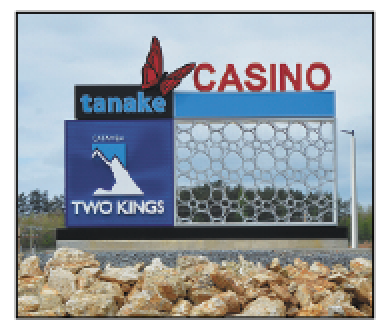
Developer SkyBoat Gaming is demanding the Catawba Nation pay an exorbitant price to gain control of its trust lands to satisfy National Indian Gaming Commission (NIGC) casino ownership requirements so it can proceed with its planned $700 million casino resort project, new Catawba Nation Chief Brian Harris said.
SkyBoat, headed by businessman Wallace Cheves, was to have developed the casino resort for the Catawba. But in December SkyBoat and the Catawba were issued Notices of Violation (NOVs) by the NIGC regarding contracts for the casino development.
The NIGC cited the ground lease for the trust lands and other agreements that gave SkyBoat too much ownership control and management authority over the casino project. The NIGC threatened fines and said the permanent casino could not be developed until the NOVs were resolved. The Catawba Nation was allowed to continue operating its temporary casino housed in modular structures featuring 1,000 gaming machines.
The Catawba have since attempted to cut ties with SkyBoat and Cheves by negotiating to regain control over the trust lands for the casino development. Harris met with Cheves in early October but said the current offer from Cheves calls for exorbitant payouts to SkyBoat – a one-time $125 million payment and then $6 million annual payments for access to adjacent non-trust land currently housing the temporary casino’s parking lot.
The adjacent non-trust land was acquired by SkyBoat at the same time SkyBoat was working to secure the trust lands for the Catawba, an acquisition that Harris characterized as trying to advantage SkyBoat at the expense of the Catawba.
“SkyBoat is holding hostage this casino resort project and all of the economic and quality-of-life benefits for our people and residents of the area,” Harris said. “We need a fair deal so we can realize the full financial benefits of the project, create 2,600 permanent jobs and hundreds of construction jobs, and provide local governments and the state of North Carolina with tax revenue and other investments under our compact.”
Harris noted the NIGC has not approved the planned settlement but certified it was not a management contract as the previous agreement with SkyBoat was deemed to be.
The Catawba Nation’s gaming operations are also now fully compliant with the Indian Gaming Regulatory Act (IGRA). The Catawba Nation’s gaming machine lease is now with an NIGC-approved company that supplies gaming machines to many Native American casinos, ending the previous connection to a company that had political ownership ties.
Planning for the permanent facility has continued, with construction and design plans being finalized in the coming months.
“Not long after we reach a fair settlement with SkyBoat we will be ready to put shovels in the ground and begin this long-awaited and vital project,” Harris said.
The Charlotte Business Journal interviewed Wally Fayssoux, an attorney representing SkyBoat, who responded to Chief Harris’ statement saying it is “‘profoundly untrue’ that the developer is the impediment to closing the deal. He said the developer and the previous Catawba Nation leadership agreed to a deal earlier this year. However, the new Catawba Chief Harris is opposed to it.
“Fayssoux said the Catawbas’ previous leadership ‘begged’ the developers to accept those terms and that the National Indian Gaming Commission was on board with the deal,” the article continued.
“Fayssoux said Cheves is still planning to be involved in development surrounding the casino site. He noted the developer would be happy to plan the projects in coordination with the Catawbas’ vision for the area.
“SkyBoat worked with the Catawbas for well over a decade to try to win approval for the casino project. The U.S. Department of the Interior placed the casino site into a trust for the Catawbas in 2020 after years of debate surrounding the project. The pre-launch facility opened in July 2021, was expanded later that year, and added a sportsbook last year. The full casino’s construction has been held up by the NIGC for well over a year.
“’SkyBoat is ready to close immediately and honor its word and proceed with the deal the Tribe pleaded for it to accept in January,’ Fayssoux said. ‘We sincerely hope the current leadership will honor that agreement and recognize the tremendous benefits of moving forward today. We certainly understand their need as new leaders to carefully analyze the history of the deal so that they can move forward in the best interests of the Tribe and so we will remain patient while they do so.’”
Developer SkyBoat Gaming is demanding the Catawba Nation pay an exorbitant price to gain control of its trust lands to satisfy National Indian Gaming Commission (NIGC) casino ownership requirements so it can proceed with its planned $700 million casino resort project, new Catawba Nation Chief Brian Harris said.
SkyBoat, headed by businessman Wallace Cheves, was to have developed the casino resort for the Catawba. But in December SkyBoat and the Catawba were issued Notices of Violation (NOVs) by the NIGC regarding contracts for the casino development.
The NIGC cited the ground lease for the trust lands and other agreements that gave SkyBoat too much ownership control and management authority over the casino project. The NIGC threatened fines and said the permanent casino could not be developed until the NOVs were resolved. The Catawba Nation was allowed to continue operating its temporary casino housed in modular structures featuring 1,000 gaming machines.
The Catawba have since attempted to cut ties with SkyBoat and Cheves by negotiating to regain control over the trust lands for the casino development. Harris met with Cheves in early October but said the current offer from Cheves calls for exorbitant payouts to SkyBoat – a one-time $125 million payment and then $6 million annual payments for access to adjacent non-trust land currently housing the temporary casino’s parking lot.
The adjacent non-trust land was acquired by SkyBoat at the same time SkyBoat was working to secure the trust lands for the Catawba, an acquisition that Harris characterized as trying to advantage SkyBoat at the expense of the Catawba.
“SkyBoat is holding hostage this casino resort project and all of the economic and quality-of-life benefits for our people and residents of the area,” Harris said. “We need a fair deal so we can realize the full financial benefits of the project, create 2,600 permanent jobs and hundreds of construction jobs, and provide local governments and the state of North Carolina with tax revenue and other investments under our compact.”
Harris noted the NIGC has not approved the planned settlement but certified it was not a management contract as the previous agreement with SkyBoat was deemed to be.
The Catawba Nation’s gaming operations are also now fully compliant with the Indian Gaming Regulatory Act (IGRA). The Catawba Nation’s gaming machine lease is now with an NIGC-approved company that supplies gaming machines to many Native American casinos, ending the previous connection to a company that had political ownership ties.
Planning for the permanent facility has continued, with construction and design plans being finalized in the coming months.
“Not long after we reach a fair settlement with SkyBoat we will be ready to put shovels in the ground and begin this long-awaited and vital project,” Harris said.
The Charlotte Business Journal interviewed Wally Fayssoux, an attorney representing SkyBoat, who responded to Chief Harris’ statement saying it is “‘profoundly untrue’ that the developer is the impediment to closing the deal. He said the developer and the previous Catawba Nation leadership agreed to a deal earlier this year. However, the new Catawba Chief Harris is opposed to it.
“Fayssoux said the Catawbas’ previous leadership ‘begged’ the developers to accept those terms and that the National Indian Gaming Commission was on board with the deal,” the article continued.
“Fayssoux said Cheves is still planning to be involved in development surrounding the casino site. He noted the developer would be happy to plan the projects in coordination with the Catawbas’ vision for the area.
“SkyBoat worked with the Catawbas for well over a decade to try to win approval for the casino project. The U.S. Department of the Interior placed the casino site into a trust for the Catawbas in 2020 after years of debate surrounding the project. The pre-launch facility opened in July 2021, was expanded later that year, and added a sportsbook last year. The full casino’s construction has been held up by the NIGC for well over a year.
“’SkyBoat is ready to close immediately and honor its word and proceed with the deal the Tribe pleaded for it to accept in January,’ Fayssoux said. ‘We sincerely hope the current leadership will honor that agreement and recognize the tremendous benefits of moving forward today. We certainly understand their need as new leaders to carefully analyze the history of the deal so that they can move forward in the best interests of the Tribe and so we will remain patient while they do so.’”