Owners and City of KM at odds
about buildings in downtown
By Loretta Cozart
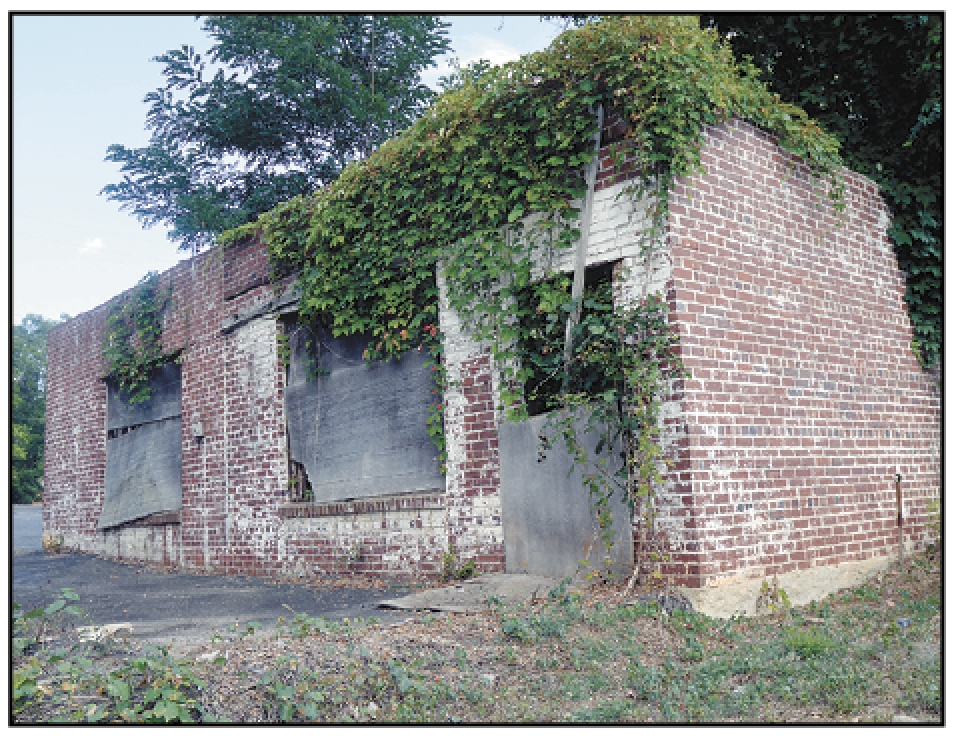
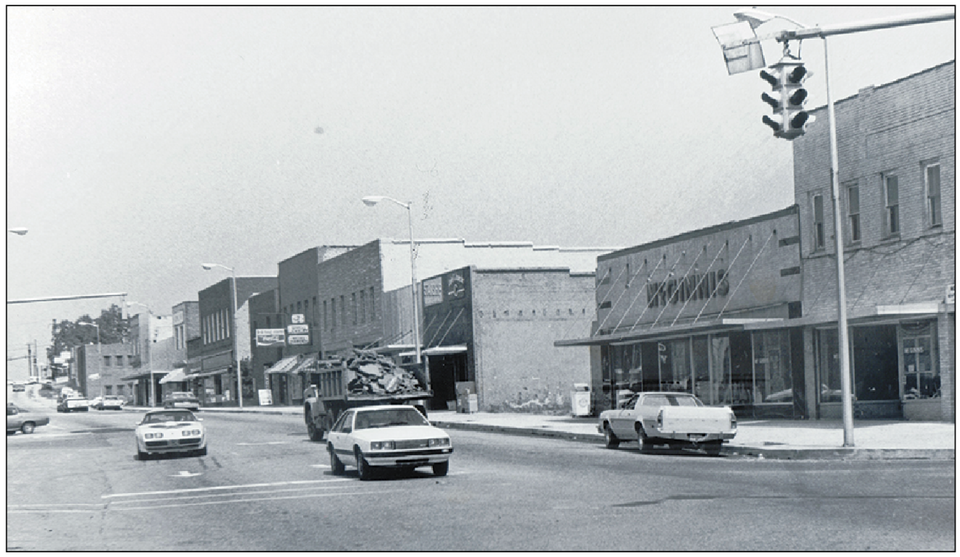
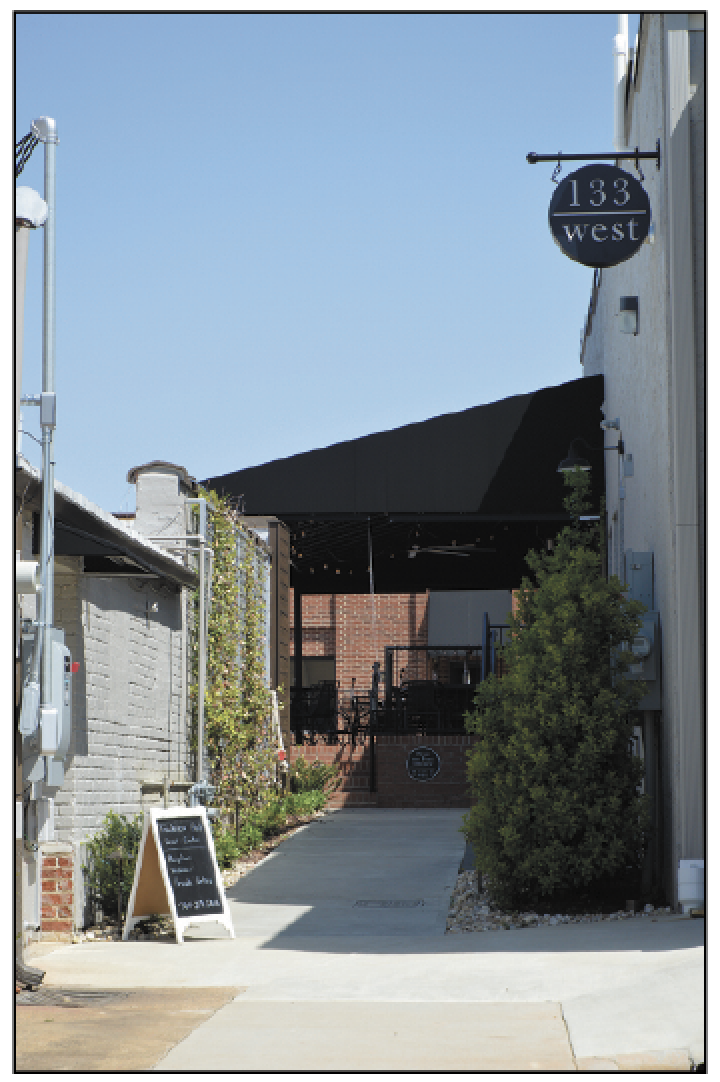
Property owners in downtown, along with the City of Kings Mountain, are struggling with growth, both in progress and anticipated. Most of the downtown buildings are receiving some type of renovation, either for the owner’s own project or to prepare for new tenants. One thing is that is certain, change is coming.
During recent city council meetings, building owners spoke about their desire to make changes to their buildings, primarily by painting. However, the new Unified Development Ordinance (UDO) adopted by the city only allows for painting a building in some cases if it is approved by the city’s advisory board, called the Downtown Design Advisory Review Committee (DDRAC). Currently three people serve on the committee: two from the Planning Department and one from the Kings Mountain Historical Museum. No building owners currently serve on the board.
The new UDO requires that a building owner who creates dwellings for tenants in their buildings must make provision for 1.5 parking spaces. This can be particularly challenging if the buildings have a zero lot-line, meaning the footprint of the building alone is all the property the building owner possesses.
This is a significant new requirement, so the city decided to allow owners of buildings already undergoing renovation to choose by which guidelines they wanttheir project held accountable: the city’s old zoning ordinances or the new UDO. Owners must choose one or the other depending upon their needs.
A bigger issue is deciding what paint colors are acceptable. Other towns have created a color palate from which to choose. The paint must be a high-quality paint, one designed for the purpose of painting brick or similar surfaces. Current requirements offer no paint color options to building owners, so the whatever chosen must go through a review process.
Even more challenging is that some owners have owned their buildings for decades, some through the draught of customers who followed the grocery stores out of downtown. Most of the customers who once shopped downtown have gone to shopping centers or malls in nearby towns as the options downtown dwindled. Now that new growth is coming, the owners are working to improve their buildings, only to find that new guidelines prevent them from doing so.
Façades are also an issue. In a few cases, the materials in the façade have historic significance. On the front of two buildings is a material known as Perma-stone invented in 1929 and popular in the 1950s and 1960s. Perma-Stone is such a common trade name that it has almost become generic for any of the cement-like materials applied to exterior walls and manipulated to look like stone. In Baltimore, Maryland, it is referred to as Formstone. At the height of its popularity in the 1950s, Formstone was a sign of wealth and stability in the working-class neighborhoods of Baltimore. But the longevity of Formstone was not living up to the company’s promises and the Formstone Co. went out of business in the late 1960s.
No building in the downtown business district is considered an historic landmark. All of them have been altered too much, either due to fire or renovation. A few of the buildings are notable, by the façade materials or because of who once owned them. A survey by the state in the 1970s came to that conclusion and Mary Neisler confirmed when asked about it a decade ago.
The argument that a building owner can do what they want with their own property is a compelling one. It seems logical. They own the building. But the downtown district is a community of sorts, one in which business owners rely on each other to draw customers to the area. And what is good for one owner might not be good for all of them.
An example often used is that an owner would not want a neighboring building to be painted purple. While purple is a perfectly lovely color, it makes a point. One solution for this argument might be to create a color palate of agreed colors that could be reviewed every five years, since color preferences change over time. This would be like what is done by Homeowner Associations to protect the neighborhood. And no two adjacent buildings could have the same color. It presents a cohesive look, and nobody is surprised.
A bigger issue is who would make these decisions? DDRAC has no representation currently from a single building owner in downtown. It makes sense that the downtown business district should be considered like an HOA and that owners would decide what is best among themselves. Perhaps a local architect could provide guidance initially to keep the group on track as they get started. And would building owners be willing to serve on the review committee? These are all valid considerations.
Another issue is if city employees should have to make these decisions? This type of work is time consuming and difficult. Knowing what architectural features are important to save, or even if that is a consideration at all, must be decided.
The reality is that Kings Mountain needs to decide how it wants to treat the downtown business district. Is it historic? Is it commercial? Do we want major chain stores downtown? Or does the community prefer smaller quaint businesses, restaurants, and entertainment? Once that is decided, then the path forward will be clearer
To ignore the challenges of building owners and businesses results in frustration, which causes them to ignore the UDO altogether and do whatever they want. It has happened many times in downtown already and those who choose to work with the system are frustrated by it.
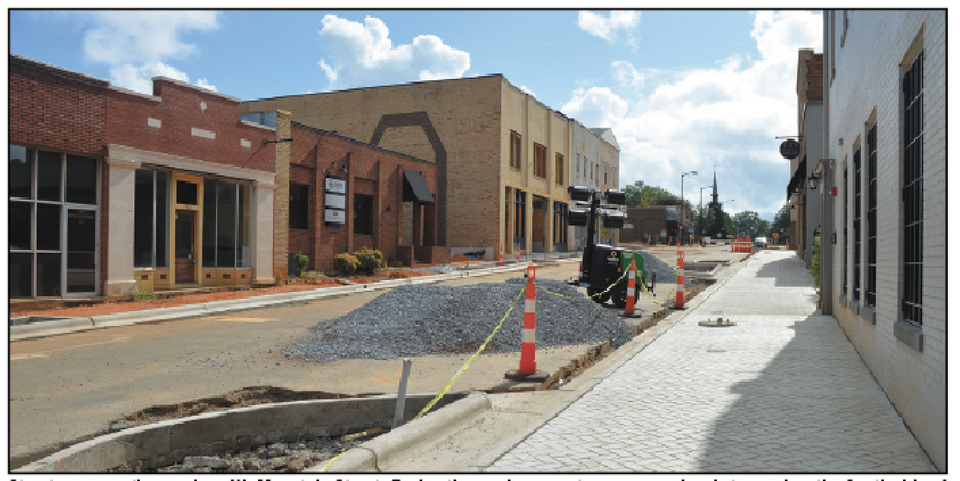
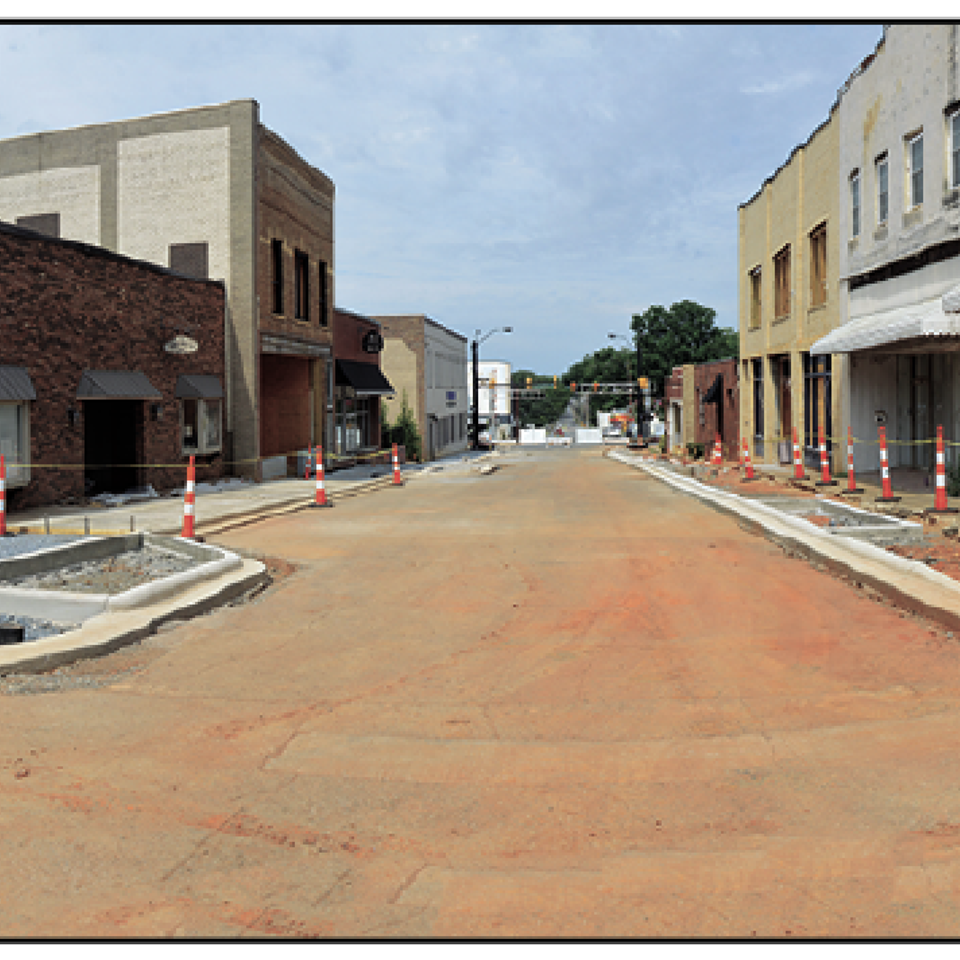
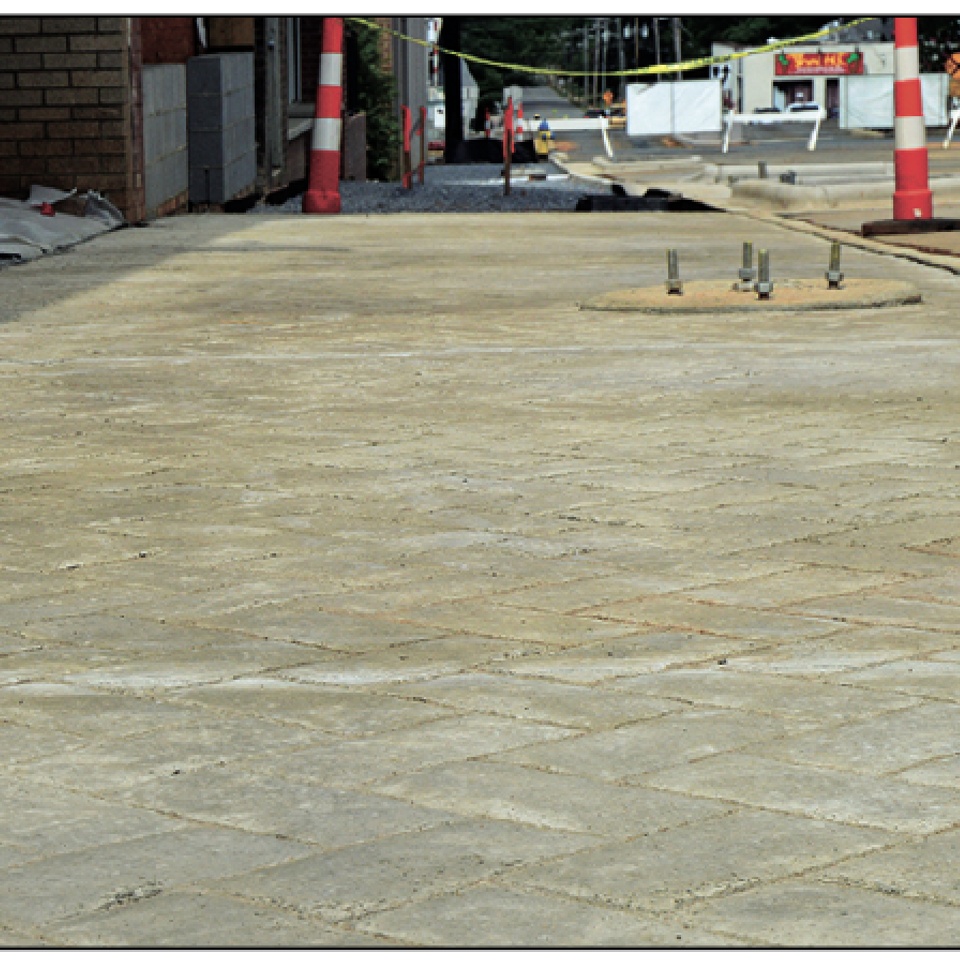
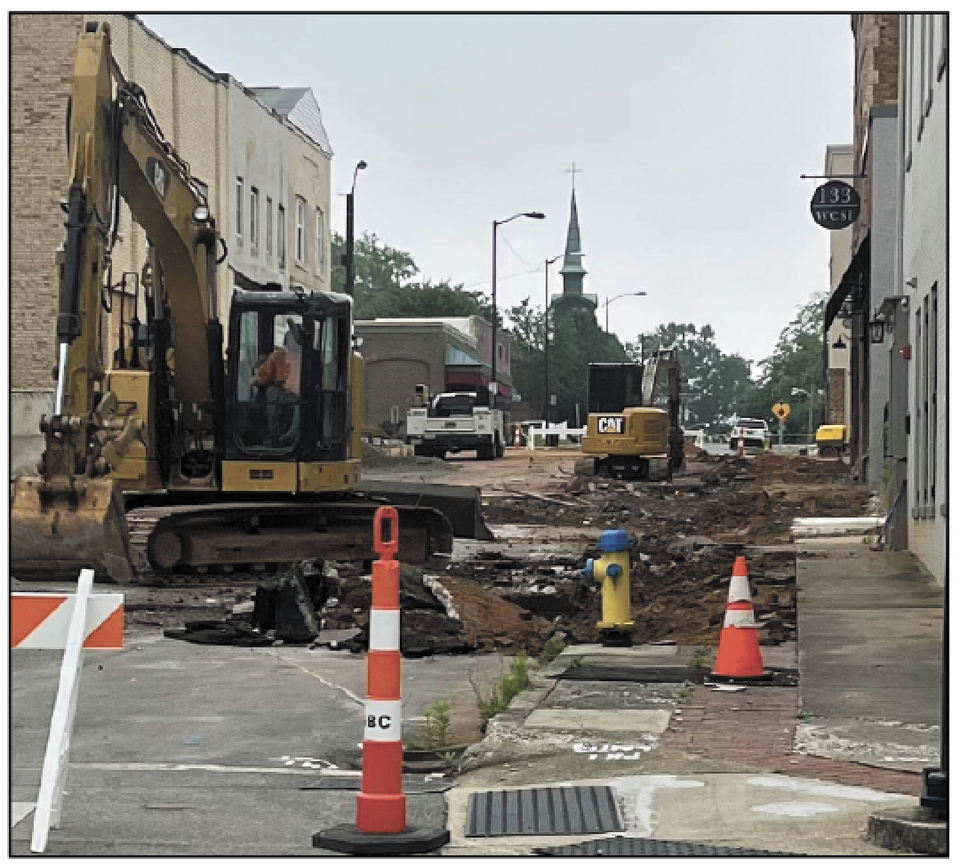
Hundreds of thousands of dollars are being spent in downtown to improve the infrastructure. Soon there will be beautiful sidewalks and plantings. But if no investors and businesses will locate here because the business climate is impossible to deal with, then what is the point?
Taking a proactive stance on how to handle these issues helps solve the problem by starting conversations. Only then can discussion occur, and compromise be reached. And that is what is necessary to spur downtown renovation and redevelopment. These owners and merchants have skin in the game and have the right to create their own destiny, just as our founding fathers did in 1874.
In the next few weeks, the Herald will highlight some challenges building owners are currently facing and what is being done to clear the path forward to accomplish their goals.
Property owners in downtown, along with the City of Kings Mountain, are struggling with growth, both in progress and anticipated. Most of the downtown buildings are receiving some type of renovation, either for the owner’s own project or to prepare for new tenants. One thing is that is certain, change is coming.
During recent city council meetings, building owners spoke about their desire to make changes to their buildings, primarily by painting. However, the new Unified Development Ordinance (UDO) adopted by the city only allows for painting a building in some cases if it is approved by the city’s advisory board, called the Downtown Design Advisory Review Committee (DDRAC). Currently three people serve on the committee: two from the Planning Department and one from the Kings Mountain Historical Museum. No building owners currently serve on the board.
The new UDO requires that a building owner who creates dwellings for tenants in their buildings must make provision for 1.5 parking spaces. This can be particularly challenging if the buildings have a zero lot-line, meaning the footprint of the building alone is all the property the building owner possesses.
This is a significant new requirement, so the city decided to allow owners of buildings already undergoing renovation to choose by which guidelines they wanttheir project held accountable: the city’s old zoning ordinances or the new UDO. Owners must choose one or the other depending upon their needs.
A bigger issue is deciding what paint colors are acceptable. Other towns have created a color palate from which to choose. The paint must be a high-quality paint, one designed for the purpose of painting brick or similar surfaces. Current requirements offer no paint color options to building owners, so the whatever chosen must go through a review process.
Even more challenging is that some owners have owned their buildings for decades, some through the draught of customers who followed the grocery stores out of downtown. Most of the customers who once shopped downtown have gone to shopping centers or malls in nearby towns as the options downtown dwindled. Now that new growth is coming, the owners are working to improve their buildings, only to find that new guidelines prevent them from doing so.
Façades are also an issue. In a few cases, the materials in the façade have historic significance. On the front of two buildings is a material known as Perma-stone invented in 1929 and popular in the 1950s and 1960s. Perma-Stone is such a common trade name that it has almost become generic for any of the cement-like materials applied to exterior walls and manipulated to look like stone. In Baltimore, Maryland, it is referred to as Formstone. At the height of its popularity in the 1950s, Formstone was a sign of wealth and stability in the working-class neighborhoods of Baltimore. But the longevity of Formstone was not living up to the company’s promises and the Formstone Co. went out of business in the late 1960s.
No building in the downtown business district is considered an historic landmark. All of them have been altered too much, either due to fire or renovation. A few of the buildings are notable, by the façade materials or because of who once owned them. A survey by the state in the 1970s came to that conclusion and Mary Neisler confirmed when asked about it a decade ago.
The argument that a building owner can do what they want with their own property is a compelling one. It seems logical. They own the building. But the downtown district is a community of sorts, one in which business owners rely on each other to draw customers to the area. And what is good for one owner might not be good for all of them.
An example often used is that an owner would not want a neighboring building to be painted purple. While purple is a perfectly lovely color, it makes a point. One solution for this argument might be to create a color palate of agreed colors that could be reviewed every five years, since color preferences change over time. This would be like what is done by Homeowner Associations to protect the neighborhood. And no two adjacent buildings could have the same color. It presents a cohesive look, and nobody is surprised.
A bigger issue is who would make these decisions? DDRAC has no representation currently from a single building owner in downtown. It makes sense that the downtown business district should be considered like an HOA and that owners would decide what is best among themselves. Perhaps a local architect could provide guidance initially to keep the group on track as they get started. And would building owners be willing to serve on the review committee? These are all valid considerations.
Another issue is if city employees should have to make these decisions? This type of work is time consuming and difficult. Knowing what architectural features are important to save, or even if that is a consideration at all, must be decided.
The reality is that Kings Mountain needs to decide how it wants to treat the downtown business district. Is it historic? Is it commercial? Do we want major chain stores downtown? Or does the community prefer smaller quaint businesses, restaurants, and entertainment? Once that is decided, then the path forward will be clearer
To ignore the challenges of building owners and businesses results in frustration, which causes them to ignore the UDO altogether and do whatever they want. It has happened many times in downtown already and those who choose to work with the system are frustrated by it.
Hundreds of thousands of dollars are being spent in downtown to improve the infrastructure. Soon there will be beautiful sidewalks and plantings. But if no investors and businesses will locate here because the business climate is impossible to deal with, then what is the point?
Taking a proactive stance on how to handle these issues helps solve the problem by starting conversations. Only then can discussion occur, and compromise be reached. And that is what is necessary to spur downtown renovation and redevelopment. These owners and merchants have skin in the game and have the right to create their own destiny, just as our founding fathers did in 1874.
In the next few weeks, the Herald will highlight some challenges building owners are currently facing and what is being done to clear the path forward to accomplish their goals.